Chinese New Year and PCB Supply Chains
Chinese New Year supply chain shutdowns can affect PCB material availability globally. Exception PCB manufactures in the UK year-round, but early planning on materials, lead times, and substitutions protects time-critical programmes from disruption.

Chinese New Year begins on 17 February until 3 March, and while it’s a familiar date in the calendar, its impact on electronics supply chains is often underestimated. For PCB manufacturing, it can influence material availability, lead times, and planning confidence in the weeks that follow.
WHY CHINESE NEW YEAR MATTERS FOR PCB MATERIALS
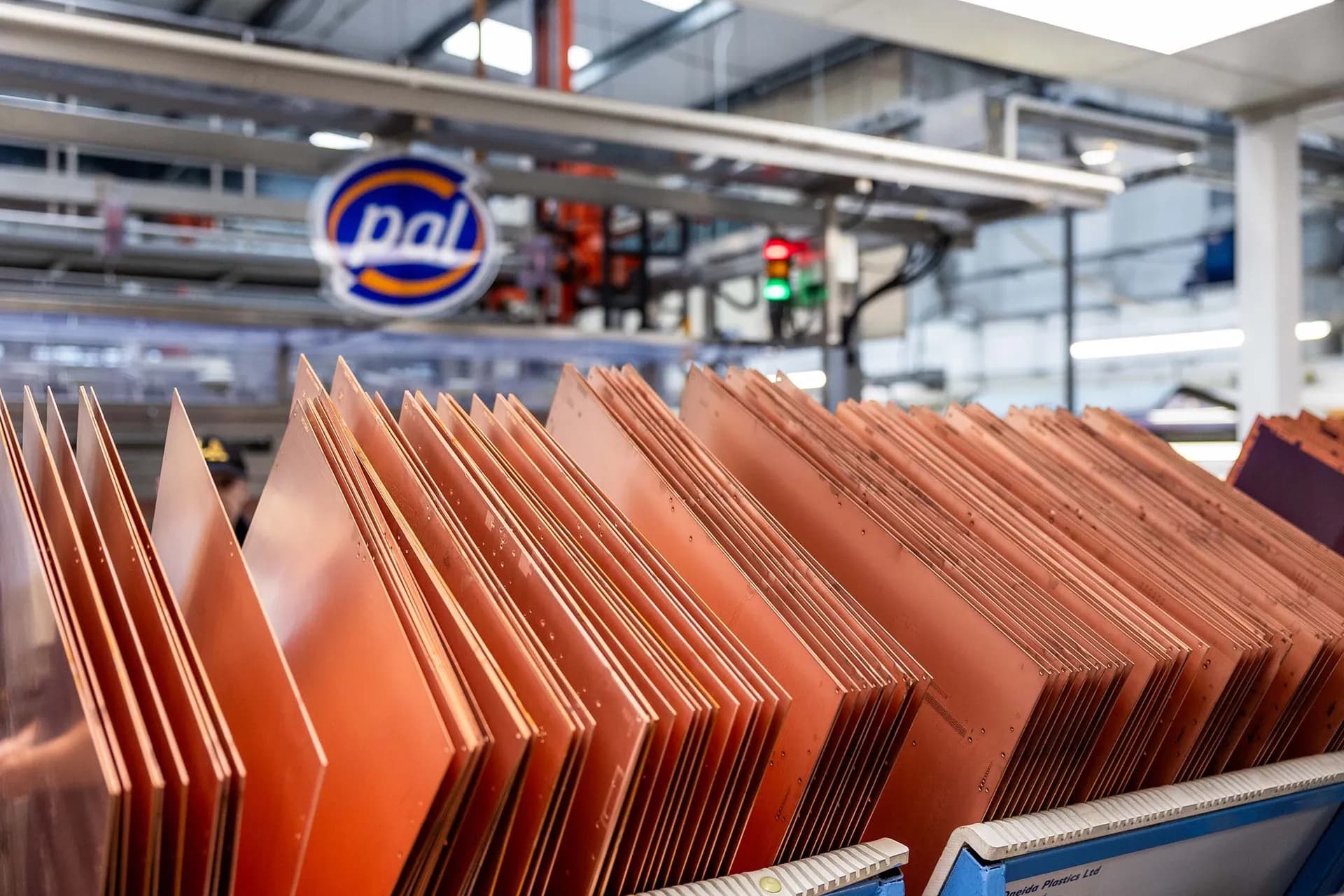
Many of the raw materials used in PCB manufacturing are part of a global ecosystem. Copper foils, specialist laminates, resins, and chemical inputs are often produced or processed in regions that observe extended Chinese New Year shutdowns.
Even when manufacturing continues elsewhere, upstream pauses can lead to:
- Longer lead times on specialist materials
- Reduced flexibility on material substitutions
- Less buffer in global inventories during peak demand periods
These effects tend to show up gradually rather than all at once, which is why early visibility matters.
UK MANUFACTURING DOESN’T PAUSE BUT MATERIALS STILL MATTER
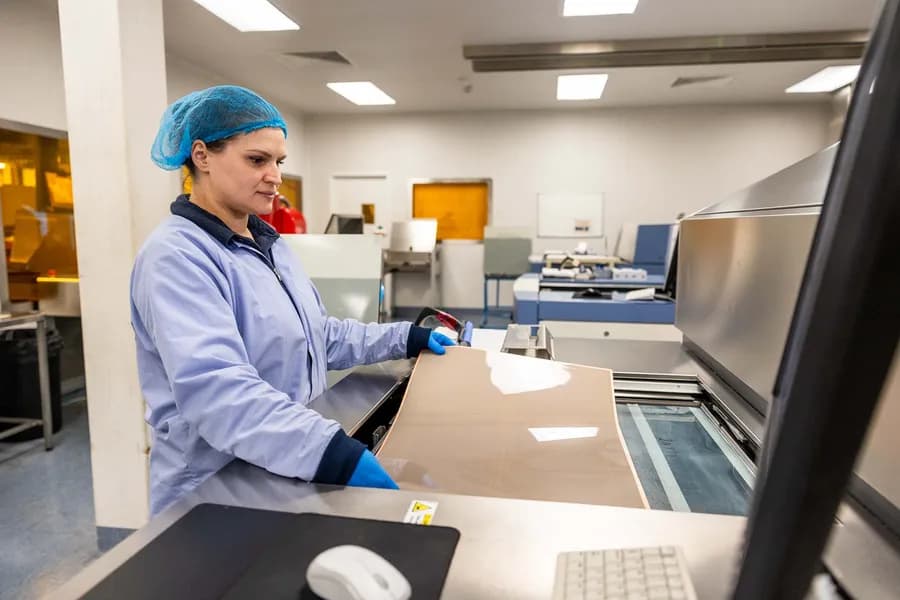
Exception PCB manufactures in the UK and remains fully operational throughout Chinese New Year. That continuity is a significant advantage, particularly for customers working on time-critical programmes.
However, no PCB manufacturer operates in isolation from the global materials supply chain. Planning ahead ensures that UK manufacturing capability is supported by material availability when it’s needed.
This is especially relevant for:
- New Product Introduction (NPI) builds
- Advanced or specialist materials
- Controlled impedance or high-reliability designs
- Programmes with fixed milestones or certification deadlines
WHAT “GOOD PLANNING” ACTUALLY LOOKS LIKE
Good planning doesn’t mean rushing orders or locking designs prematurely. It means asking the right questions early.
For engineering and NPI teams, that might include:
- Confirming material selections early in the design phase
- Discussing acceptable alternatives if availability tightens
- Aligning prototype and production timelines realistically
For procurement and supply chain teams, it often means:
- Reviewing upcoming material demand across programmes
- Understanding which builds rely on specialist inputs
- Checking assumptions around lead times rather than relying on historic norms
For procurement and supply chain teams, it often means:
DESIGNING OUT DISRUPTION THROUGH PROCESS CONTROL
Seasonal supply chain events such as Chinese New Year do not introduce risk in isolation. Risk is introduced when material assumptions remain unverified, when acceptable substitutions are undefined, or when constraints are discovered after designs are released into manufacture.
Programmes that maintain control through these periods typically address the problem at a process level:
- Material availability is confirmed alongside stack-up and impedance decisions
- Lead-time sensitivity is understood for each critical input, not averaged across the build
- Risk envelopes are defined early, while design and sourcing flexibility still exists
UK manufacturing provides a consistent production environment. Real schedule protection comes from eliminating uncertainty before it propagates into the build.
MANAGING A KNOWN CONSTRAINT, NOT REACTING TO IT
Chinese New Year is a fixed and predictable constraint within the global PCB materials supply chain. Its effects are gradual and well understood, but they must be accounted for in planning assumptions.
A short technical review at this stage, focused on material selection, tolerance to substitution, and schedule sensitivity, allows engineering and procurement teams to close gaps before they become critical path issues.
For NPI and time-critical programmes, this is not about speed. It is about maintaining control of variables as designs transition from intent to manufacture.
Exception PCB continues to manufacture in the UK, providing stable, onshore production for high-reliability PCB builds throughout this period.